
Sand Springs is one of the metro's older communities, and its housing stock heats accordingly: furnaces several generations deep on the same flue, ductwork added long after the framing, and more than a few systems that predate every code cycle worth naming. Older-home heating is a craft specialty, and it happens to be one of ours. The west metro is not the end of our route, it is a route.
A tech trained only on new construction gets lost in a Sand Springs basement. Improvised returns, mixed duct materials, orphaned flues, and electrical service sized for a different era all shape both the diagnosis and the safe fix. Our techs measure what the system actually does, temperature rise, static pressure, draft, gas pressure, and quote repairs that fit the house instead of the textbook. When the honest finding is that the problem belongs to an electrician or the ductwork rather than the furnace, that is what the report says.
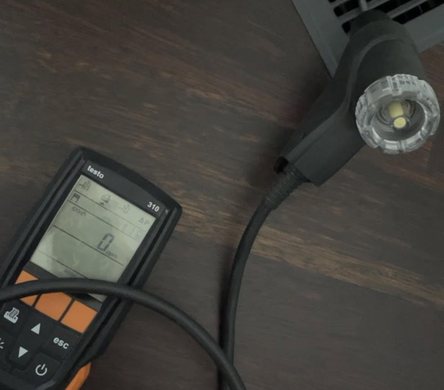
Older furnaces in tightly-sealed winter houses are exactly where carbon monoxide risk concentrates. Heat exchangers fatigued by decades of cycles can crack, and Oklahoma's CO alarm requirement reaches only new construction, meaning many older Sand Springs homes have no alarm at all. Two actions cost almost nothing: put a CO alarm near every sleeping area this week, and put a combustion inspection on the calendar every fall. Nationally, accidental CO poisoning kills around 430 people a year, and heating systems lead the consumer-product causes. Older housing without alarms is precisely who those statistics are about.
Sand Springs homeowners bring us big heating quotes weekly, and the second look is some of the most useful work we do. Sometimes the first quote is fair, we say so, and certainty costs a diagnostic fee. Sometimes a four-figure recommendation dissolves under instruments into a flame sensor and a duct correction. Either way you decide with real numbers, which is the entire operating philosophy here. Call (918) 555-0128, or read the cost guide first and walk in armed.
Start any west-side job with the free first call: the symptom, the age of the house, and what the system did last winter. Those three answers route the right parts before the truck rolls.
And if the honest verdict is that this winter is the old furnace's last, you will hear it with the instrument readings attached, alongside a replacement quote that accounts for the venting realities above, not a scare story with a payment plan.
Sand Springs built this metro's industry, its houses deserve heating work with the same seriousness. That is the whole west-side pitch.
Storm season adds the west side's other winter risk: outages. After ice events, remember furnaces need electricity regardless of fuel, and generator power belongs outdoors through proper connections, never backfed, never in a garage.
West-side replacements come with a venting conversation most quotes skip. Older masonry chimneys that served natural-draft furnaces for decades often cannot legally or safely serve a modern replacement without a liner, and the 95 percent condensing units the 2028 federal rule points toward vent through PVC sidewall runs instead. Neither is a problem, both are line items, and a quote that does not mention venting on an older Sand Springs home is a quote that has not looked at the house.
West-metro homeowners fix things themselves, and plenty of Sand Springs furnaces show years of competent owner maintenance. We respect it, and we draw the line where the trade draws it: combustion, gas piping, and venting belong to licensed hands, both legally under Oklahoma's mechanical licensing and practically, because the failure modes are invisible and the stakes are CO. Filter changes and keeping returns clear are yours, the fall combustion inspection is ours, and that division keeps old equipment running safely for years longer than either approach alone.
Usually, and we will be honest when we cannot. Common wear parts interchange across decades of equipment, and truck stock covers most of them. When a part is genuinely obsolete we tell you the sourcing timeline and the honest alternatives rather than going silent.
Emphatically yes. Oklahoma's code only requires CO alarms in new construction, so older homes often have none, while aging furnaces are exactly where risk concentrates. Alarms near every sleeping area plus an annual combustion inspection is the cheap, correct answer.
 Talk to a person, any hour
Furnace acting up?
Get ahead of the cold snap